
What Is an NFT? (Without the Hype)
An NFT (Non-Fungible Token) is a unique digital record on a blockchain that proves ownership, authenticity, access rights and licensing terms. NFTs are not the image, song, or file.They are the on-chain proof that connects a digital item to its owner.
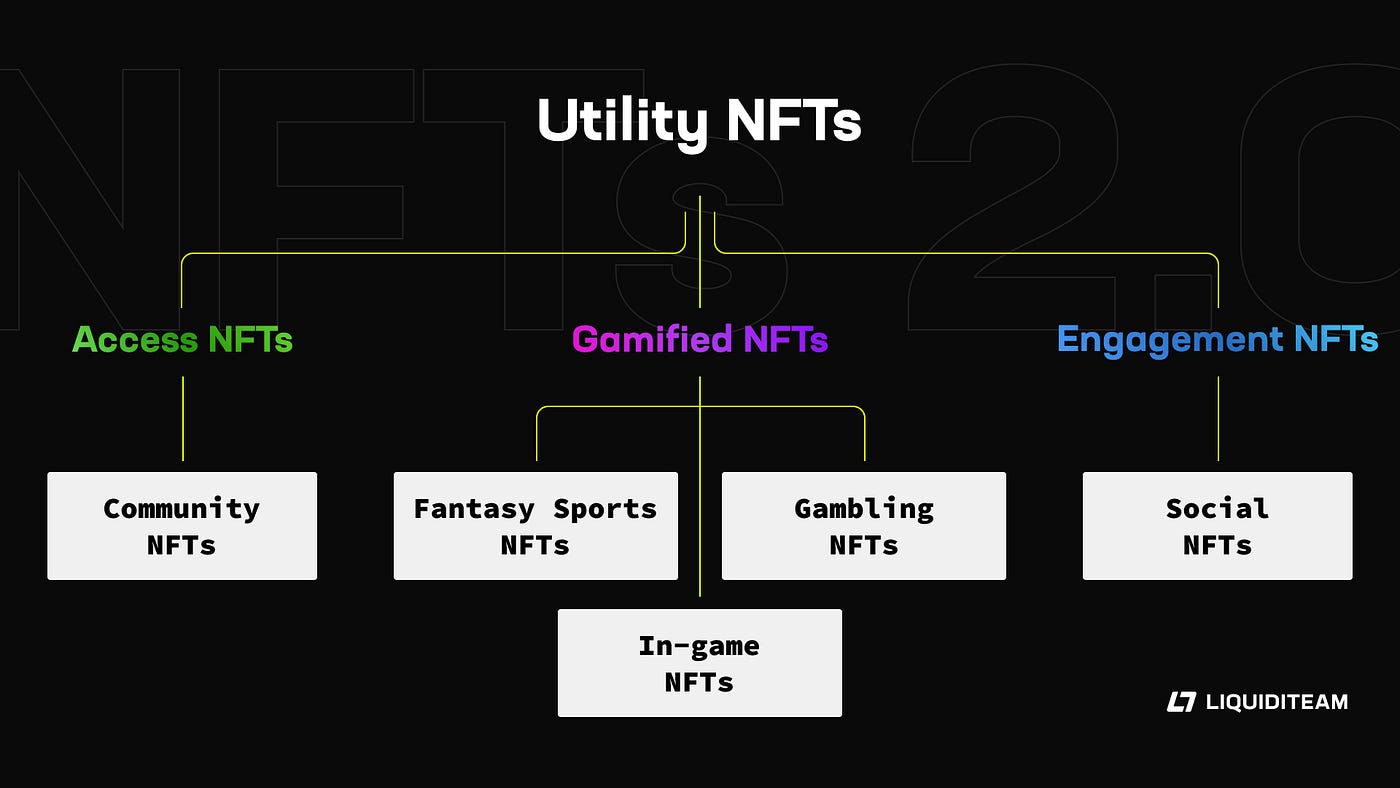
The Most Important Reframe:
NFTs are best understood as:Digital ownership certificates
- Not speculation
- Not “just art”
- Not JPEGs
What an NFT Actually Contains
An NFT typically includes:
- A unique identifier
- A reference to content (image, audio, video, PDF, URL)
- Ownership history
- Smart-contract rules
✔ Who owns it
✔ When it was issued
✔ How it can be used
NFTs as Access, Not Assets
NFTs can function as:
- Membership passes
- Course access keys
- Event tickets
- Community credentials
- Software licenses
- Content unlocks
NFTs in Education & Learning
NFTs can represent:
✔ Completed courses
✔ Skill badges
✔ Curriculum access
✔ Learning progress
✔ Verifiable credentials
Unlike PDFs or certificates:
NFT credentials cannot be forged or revoked silently.
They follow the learner.
NFTs for Creators (Music, Books, IP)
NFTs enable creators to:
- Sell limited editions
- Bundle content with access
- Automate royalties
- Prove original ownership
- License usage rights
- Link physical + digital products
NFTs as Licenses (This Is Huge)
An NFT can define:
- Who can use a work
- For how long
- For what purpose
- Under what conditions
The license lives on-chain.
NFTs Are Powered by Smart Contracts
NFTs work because of smart contracts:
✔ Ownership is enforced by code
✔ Royalties can be automatic
✔ Access can be conditional
✔ Rules are transparent
No middlemen required.
Where NFTs Live
NFTs are created and verified on blockchains such as:
Ethereum: Known for robust standards and creator royalties.
Solana: Optimized for speed, low fees, and scalable applications.
Different ecosystems. Same ownership principle.
What NFTs Are Not
❌ Not guaranteed investments
❌ Not limited to art
❌ Not environmentally uniform
❌ Not hype by default
NFTs are tools — value depends on use case and execution.
How NFTs Connect to the Bigger Web3 System
NFTs rely on:
➡ Wallets (identity)
➡ Blockchains (permanence)
➡ Smart contracts (automation)
They enable:
➡ DAOs
➡ Credentials
➡ Creator economies
➡ Machine access control