
What Is a Blockchain? (Plain English)
A blockchain is a shared digital record that many computers maintain together instead of one company controlling it.
Once information is written to a blockchain, it becomes:
- Permanent
- Transparent
- Verifiable by anyone
- Extremely difficult to change
Think of it as a global notebook that everyone can read, many can help maintain, but no single party can secretly alter.
The Simplest Mental Model
Imagine a spreadsheet that:- Exists on thousands of computers
- Updates only when the network agrees
- Keeps every past version forever
The agreement is consensus
The history is immutability
What’s Inside a “Block”?
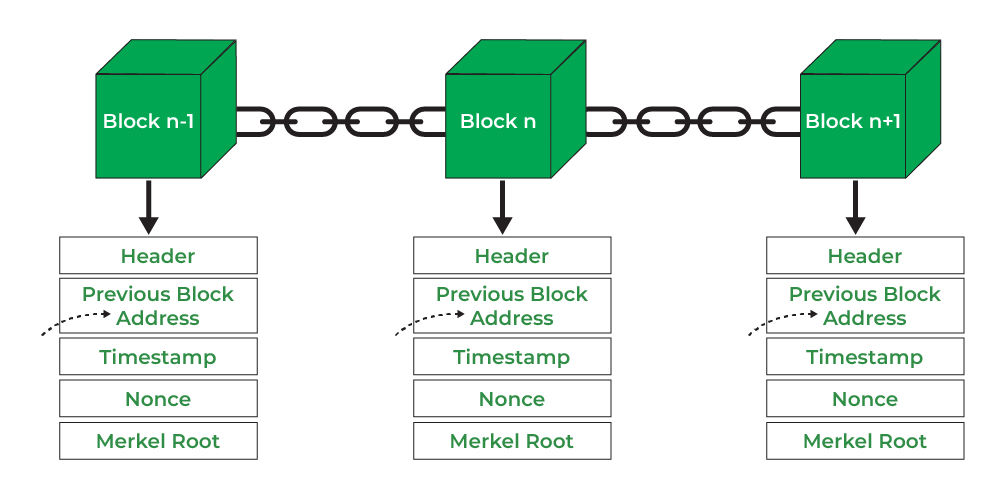
Each block contains:- A batch of recent transactions
- A timestamp
- A cryptographic link to the previous block
That link is what makes blockchains tamper-resistant.
Why Blockchains Are Immutable
To change one record, an attacker would have to:
- Alter the block
- Alter every block after it
- Do this across most of the network simultaneously
That’s why blockchains are trusted without needing a central authority.
Centralized vs Decentralized Systems
Centralized System
- One owner
- Single point of failure
- Data can be altered
- Trust the company
Blockchain Network
- Shared ownership
- No central failure
- Data is permanent
- Verify the code
Why Decentralization Matters
Decentralization means:
- No single company can lock you out
- No silent data manipulation
- No behind-the-scenes rule changes
This matters for:
- ✔ creators
- ✔ developers
- ✔ educators
- ✔ communities
- ✔ future AI systems
Public vs Private Blockchains (Quick Clarity)
Public Blockchains
- Anyone can verify data
- Permissionless access
- Most Web3 apps live here
Private / Permissioned Chains
- Controlled access
- Used by enterprises
- Less censorship resistance
Real-World Blockchain Examples (No Hype)
Two widely used public networks:
Example: Exchange-hosted wallets
- Ethereum
- The foundation for smart contracts, NFTs, DAOs, and creator royalties.
- Solana
- Designed for speed, low fees, and real-time applications.
Different designs. Same core principle:
Shared, verifiable truth without a central owner.What Blockchains Are Used For (Beyond Crypto)
Blockchains can record:
- Ownership
- Identity
- Credentials
- Royalties
- Licenses
- Governance votes
- Machine-to-machine payments
Money is just one use case — not the definition.
What Blockchains Do Not Do
Blockchains can record:
- ❌ They don’t guarantee profits
- ❌ They don’t eliminate risk
- ❌ They don’t replace laws overnight
Blockchains provide infrastructure, not outcomes.