
What Is a Smart Contract? (Plain English)
A smart contract is code that runs on a blockchain and automatically executes when conditions are met.
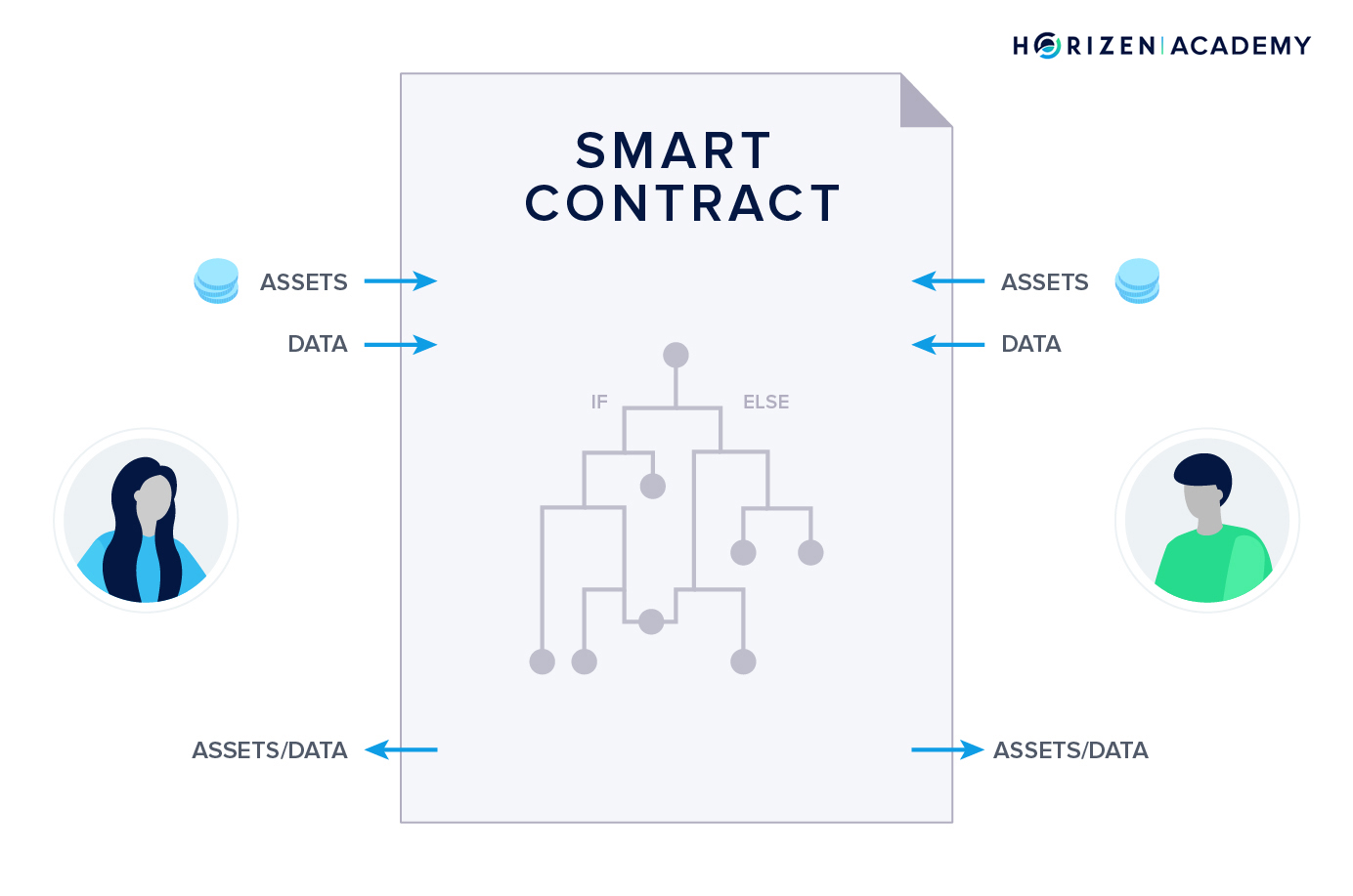
Think of it as:
Imagine a spreadsheet that:- “If this happens → then that happens, without permission or intermediaries.”
No trust required
No manual enforcement
Once deployed, a smart contract does exactly what it’s programmed to do.
The Core Idea (Very Important)
Smart contracts do not mean “legal contracts.”
They mean:
- ✔ self-executing agreements
- ✔ transparent rules
- ✔ automatic outcomes
That’s why blockchains are trusted without needing a central authority.
Simple Example (Everyone Understands This)
Traditional system:
- Platform collects money
- Platform calculates payout
- Platform decides when to pay
- Platform takes a cut
Smart contract system:
- Payment arrives
- Contract checks rules
- Funds distribute instantly
- No platform control
What Smart Contracts Can Do
Smart contracts can:
- Send payments
- Split royalties
- Grant access
- Issue licenses
- Enforce rules
- Trigger actions
- Power DAOs
- Authenticate NFTs
Where Smart Contracts Live
Smart contracts are deployed on blockchains, most commonly:
Ethereum
- The original and most widely used smart-contract platform.
Solana
- Optimized for speed, low fees, and real-time execution.
No one can secretly change the rules.
Smart Contracts for Creators
This is where smart contracts shine for music, books, education, and IP.
Real Creator Use Cases
- ✔ Automatic royalty splits
- ✔ NFT-gated content access
- ✔ Proof of ownership
- ✔ Limited licenses
- ✔ Time-based releases
- ✔ On-chain credentials
Smart Contracts in Education
Smart contracts can:
- Issue verifiable certificates
- Track course completion
- Unlock next lessons
- Prove learning on-chain
- Support lifelong credentials
“Trustless” Does NOT Mean “Lawless”
This is a common misunderstanding.Trustless means:
- ✔ You don’t need to trust a company
- ✔ You can verify outcomes yourself
It does not mean:
- ❌ No responsibility
- ❌ No ethics
- ❌ No accountability
Important Limitations
Smart contracts:
- ❌ Can’t fix bad logic
- ❌ Can’t interpret intent
- ❌ Can’t reverse mistakes automatically
Education always comes before deployment.
How Smart Contracts Connect to the Bigger System
Smart contracts power:
- ➡ NFTs (ownership + access)
- ➡ DAOs (rules + voting)
- ➡ DeFi (financial automation)
- ➡ AI agents (machine execution)